The machine price is not the full cost. A safe fiber laser setup includes beam control, verified eyewear, air control, and a boring fire plan.
This is buyer planning, not a substitute for the manufacturer's manual, local rules, or a qualified laser safety review. Use it to avoid buying an open-beam machine without the controls it needs.
Most open-beam fiber galvos are serious eye, skin, reflection, and fire hazards.
Wavelength
1064 nm
The main marking beam is infrared. You cannot rely on seeing it to avoid it.
Reflection risk
Specular
Polished metal can redirect beam energy in ways a hobby bench is not ready for.
Air risk
LGAC
Laser-generated airborne contaminants matter when marking coatings, plastics, and metals.
Diagnostic matrix
Should you buy open-beam or enclosed?
Signal
Likely diagnosis
Proof
Next move
You share the room with people or pets
Open-beam operation is the wrong default.
A bystander can walk into the beam plane or look toward the work while the machine is armed.
Choose an enclosed machine or build a controlled enclosure and lockout habit before first fire.
You will mark polished metal
Reflection control is a primary safety requirement, not a nice extra.
The workpiece can act like a mirror at 1064 nm even when it does not look risky under room light.
Use beam containment, matte sacrificial fixtures, careful part orientation, and no exposed eye line.
Your eyewear came unmarked or unlabeled
You do not have verified laser safety eyewear.
The glasses do not list wavelength range and optical density from a credible supplier.
Do not run open beam. Buy wavelength-specific eyewear and still prioritize enclosure.
The laser will run near wood dust, solvents, or clutter
Fire load and fume exposure are not controlled.
There is combustible material near the beam path or no plan for smoke and particulate capture.
Clear the bench, add a fire plan, vent or filter fumes, and avoid unknown coated materials.
You need to teach a beginner or family member
The workflow needs interlocks and physical boundaries, not just instructions.
Safety depends on remembering a verbal rule while the machine is powered and exciting to watch.
Use an enclosed desktop machine or build a procedure where the beam cannot fire into an open room.
You share the room with people or pets
Likely diagnosis
Open-beam operation is the wrong default.
Proof
A bystander can walk into the beam plane or look toward the work while the machine is armed.
Next move
Choose an enclosed machine or build a controlled enclosure and lockout habit before first fire.
You will mark polished metal
Likely diagnosis
Reflection control is a primary safety requirement, not a nice extra.
Proof
The workpiece can act like a mirror at 1064 nm even when it does not look risky under room light.
Next move
Use beam containment, matte sacrificial fixtures, careful part orientation, and no exposed eye line.
Your eyewear came unmarked or unlabeled
Likely diagnosis
You do not have verified laser safety eyewear.
Proof
The glasses do not list wavelength range and optical density from a credible supplier.
Next move
Do not run open beam. Buy wavelength-specific eyewear and still prioritize enclosure.
The laser will run near wood dust, solvents, or clutter
Likely diagnosis
Fire load and fume exposure are not controlled.
Proof
There is combustible material near the beam path or no plan for smoke and particulate capture.
Next move
Clear the bench, add a fire plan, vent or filter fumes, and avoid unknown coated materials.
You need to teach a beginner or family member
Likely diagnosis
The workflow needs interlocks and physical boundaries, not just instructions.
Proof
Safety depends on remembering a verbal rule while the machine is powered and exciting to watch.
Next move
Use an enclosed desktop machine or build a procedure where the beam cannot fire into an open room.
Control stack
The order of protection
The safer setup does not rely on one thing. It stacks controls: choose the right machine shape, contain the beam, verify eyewear, control the room, manage fumes, and keep fire habits boring.
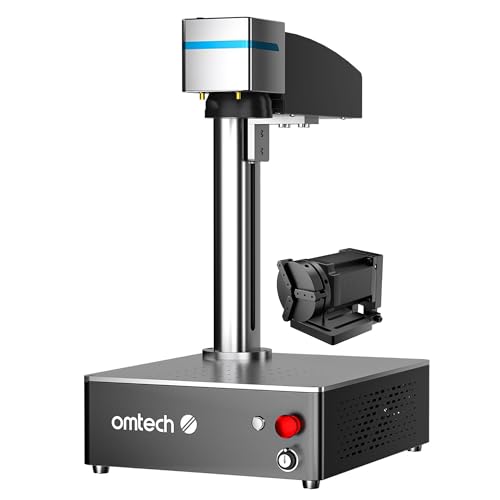
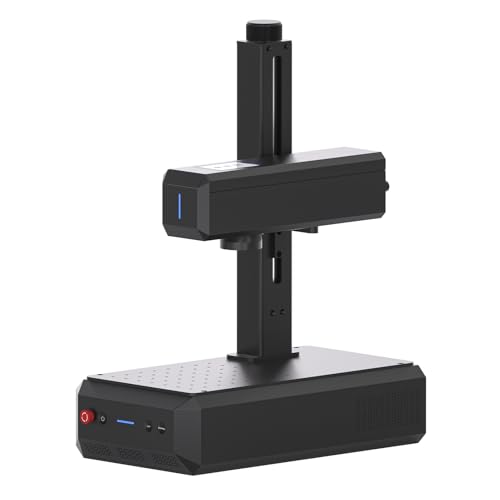
Eyewear matters, but it should not be your only barrier. A Class 4 open-beam fiber laser deserves a physical plan for where the direct beam and reflections can go.
Beam containment
+Keep the direct beam, likely reflection paths, and work surface inside a physical controlled zone.
+Use a fire-resistant beam stop or fixture behind expected reflection paths.
+Do not put eyes, cameras, phones, or shiny tools in the beam plane.
+Prefer an enclosure with interlock behavior for shared spaces and first-time operators.
Eyewear discipline
+Match eyewear to the actual wavelength range of the marking beam, typically around 1064 nm for fiber lasers.
+Check optical density markings from a credible supplier. Unlabeled orange glasses are not proof.
+Treat eyewear as backup protection. It is not a substitute for beam containment.
+Replace scratched, cracked, unlabeled, or questionable eyewear instead of gambling with it.
Room controls
+Keep bystanders out while the machine is powered and capable of firing.
+Use a key, power switch, cover, or written startup habit so the machine is not casually armed.
+Mark the controlled area plainly enough that a visitor knows not to approach.
+Avoid reflective jewelry, watches, and loose shiny tools around open-beam work.
Fume and fire habits
+Vent or filter smoke from coatings, paints, plastics, and unknown finishes.
+Keep a suitable extinguisher nearby and know how to use it before the first production run.
+Never leave the laser unattended during marking.
+Reject unknown materials that smell harsh, smoke heavily, or leave sticky residue until you know what they are.
Eyewear
How to think about laser glasses without false confidence
Fiber marking beams are commonly around 1064 nm, which is infrared. You cannot count on blink reflex or visible brightness. The eyewear needs wavelength and optical-density markings that match the laser, and the seller needs to be credible.
Do not treat bundled glasses as automatically sufficient. If the eyewear is unlabeled, scratched, cracked, or vague about wavelength, it is not proof of protection. Even verified eyewear is backup protection behind containment and controlled operation.
Workspace
The home-shop risks that sneak up on new owners
The dangerous part of a fiber laser bench is not only the focused beam. It is the shiny wrench beside the workpiece, the curious person entering the room, the coated tumbler smoking under the beam, and the wood dust left from the previous project.
Make the room dull and predictable: fewer reflective objects, fewer people, fewer unknown materials, fewer chances for the beam to leave the controlled area. That is the real upgrade.
Diagnostic matrix
Workspace risk matrix
Signal
Likely diagnosis
Proof
Next move
You will mark polished metal
Reflection control is a primary safety requirement, not a nice extra.
The workpiece can act like a mirror at 1064 nm even when it does not look risky under room light.
Use beam containment, matte sacrificial fixtures, careful part orientation, and no exposed eye line.
Your eyewear came unmarked or unlabeled
You do not have verified laser safety eyewear.
The glasses do not list wavelength range and optical density from a credible supplier.
Do not run open beam. Buy wavelength-specific eyewear and still prioritize enclosure.
The laser will run near wood dust, solvents, or clutter
Fire load and fume exposure are not controlled.
There is combustible material near the beam path or no plan for smoke and particulate capture.
Clear the bench, add a fire plan, vent or filter fumes, and avoid unknown coated materials.
You need to teach a beginner or family member
The workflow needs interlocks and physical boundaries, not just instructions.
Safety depends on remembering a verbal rule while the machine is powered and exciting to watch.
Use an enclosed desktop machine or build a procedure where the beam cannot fire into an open room.
You will mark polished metal
Likely diagnosis
Reflection control is a primary safety requirement, not a nice extra.
Proof
The workpiece can act like a mirror at 1064 nm even when it does not look risky under room light.
Next move
Use beam containment, matte sacrificial fixtures, careful part orientation, and no exposed eye line.
Your eyewear came unmarked or unlabeled
Likely diagnosis
You do not have verified laser safety eyewear.
Proof
The glasses do not list wavelength range and optical density from a credible supplier.
Next move
Do not run open beam. Buy wavelength-specific eyewear and still prioritize enclosure.
The laser will run near wood dust, solvents, or clutter
Likely diagnosis
Fire load and fume exposure are not controlled.
Proof
There is combustible material near the beam path or no plan for smoke and particulate capture.
Next move
Clear the bench, add a fire plan, vent or filter fumes, and avoid unknown coated materials.
You need to teach a beginner or family member
Likely diagnosis
The workflow needs interlocks and physical boundaries, not just instructions.
Proof
Safety depends on remembering a verbal rule while the machine is powered and exciting to watch.
Next move
Use an enclosed desktop machine or build a procedure where the beam cannot fire into an open room.
Buying logic
Which machine shape fits your safety reality?
A buyer working alone in a dedicated controlled shop can make an open galvo work responsibly. A buyer in a shared home office, garage walkway, classroom, or family space should think hard before choosing open beam.
Enclosed-first pick
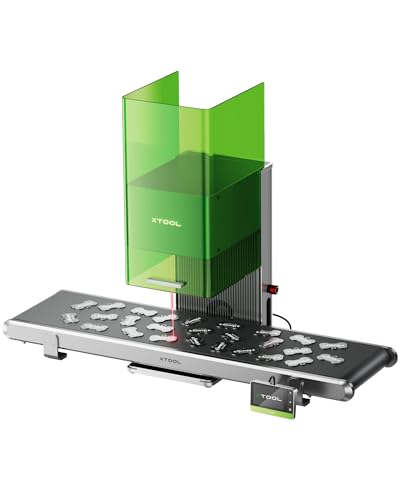
xTool F1 Ultra 20W Fiber & Diode Dual Laser Engraver
8.6
No current Amazon offer
Use when
You want the safest onboarding shape in this database: enclosed desktop operation, camera alignment, and less exposed Class 4 workflow risk.
Skip when
You need true MOPA color control or the best watt-per-dollar fiber galvo value.